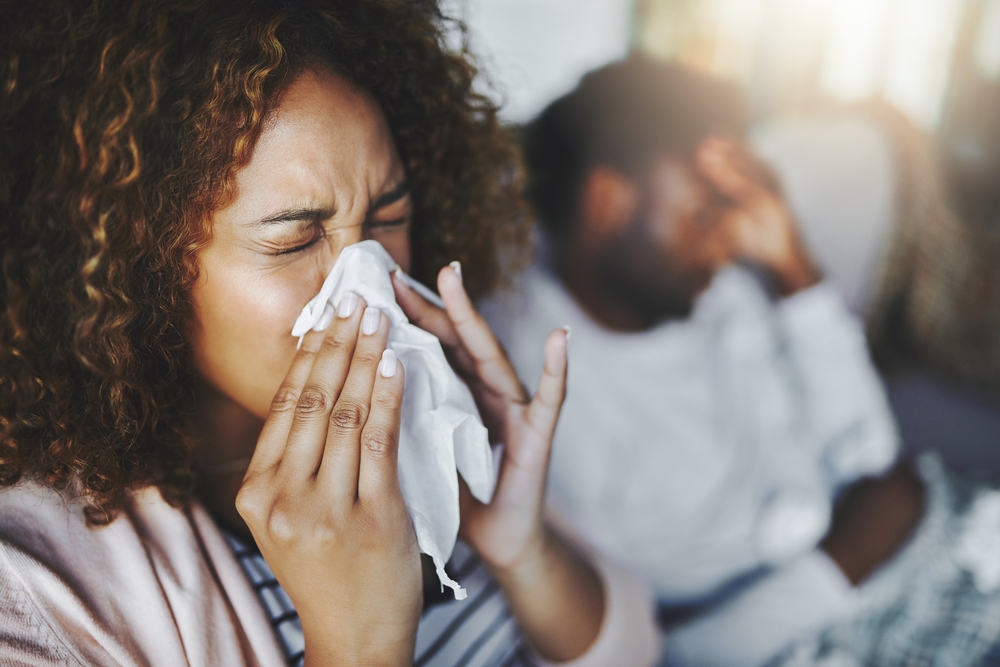
Why Allergy-Friendly Hotels Are Becoming a Travel Essential
Introduction
Travel has changed a lot in recent years, and so have guest expectations. Comfort is no longer just about soft beds and good service—many travelers now care deeply about air quality, cleanliness, and environmental triggers. Allergy-friendly hotels are gaining popularity because they address a growing need: safer, cleaner spaces for people with allergies, asthma, or chemical sensitivities.
Rising Awareness of Indoor Air Quality
One of the main reasons allergy-friendly hotels are becoming more important is increased awareness of indoor air quality. People are more informed about how dust, mold, pet dander, and cleaning chemicals can affect health.
Hotels that prioritize air purification systems, HEPA filters, and fragrance-free environments are responding to this shift. Clean air is no longer seen as a luxury—it is becoming a basic expectation for many travelers.
Growth in Allergy and Sensitivity Cases
Another factor driving demand is the rise in allergy and respiratory conditions worldwide. More people are reporting sensitivities to pollen, dust mites, and artificial fragrances.
Because hotels host thousands of different guests each year, rooms can easily accumulate allergens if not properly maintained. Allergy-friendly hotels help reduce this risk by using stricter cleaning standards and allergen-reducing materials.
Changing Expectations in Modern Hospitality
Today’s travelers expect hotels to offer personalized comfort. Just as there are business-friendly rooms or family suites, there is now growing demand for health-conscious accommodations.
Allergy-friendly rooms are part of this evolution. Features like hypoallergenic bedding, pet-free floors, and fragrance-free cleaning practices are becoming selling points rather than niche extras.
Hotels that adapt to these expectations often gain stronger guest loyalty and better reviews.
Improved Comfort and Sleep Quality
One of the biggest reasons guests prefer allergy-friendly hotels is simple: better sleep. Clean air, reduced dust exposure, and odor-free environments contribute to deeper and more restful sleep.
Travel can already be stressful due to schedule changes and unfamiliar surroundings. A room that reduces physical irritation makes a noticeable difference in overall travel experience and recovery.
Sustainability and Cleaner Practices
Many allergy-friendly hotels also align with broader sustainability trends. Reduced use of harsh chemicals, simpler room designs, and better ventilation systems often go hand in hand with eco-friendly practices.
This means guests not only benefit from fewer allergens but also from cleaner, more responsible hospitality standards. It reflects a shift toward healthier environments for both people and the planet.
Competitive Advantage for Hotels
From a business allergyfriendlyhotels perspective, offering allergy-friendly rooms is becoming a competitive advantage. Travelers increasingly search for accommodations that meet specific health needs.
Hotels that clearly advertise allergy-friendly features—such as air purification, hypoallergenic bedding, or fragrance-free policies—stand out in a crowded market. This helps attract a wider range of guests, including families, older travelers, and wellness-focused tourists.
Conclusion
Allergy-friendly hotels are no longer a niche concept—they are becoming a key part of modern travel. With growing awareness of health, air quality, and comfort, these hotels offer practical solutions for a wide range of guests. By focusing on cleaner air, reduced allergens, and thoughtful design, they are shaping the future of hospitality into something healthier, more inclusive, and more comfortable for everyone.

